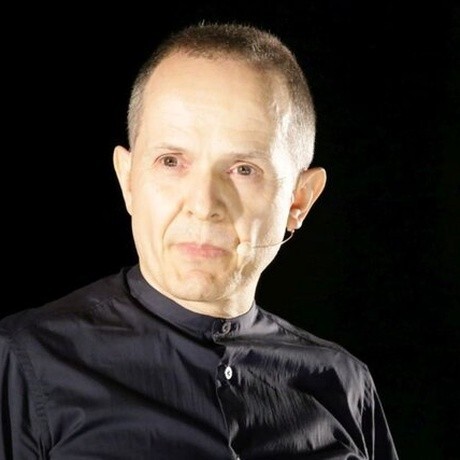
He has co-authored over 200 international publications, which have received more than 12000 citations in the scientific literature.
Professor Chittaro’s principal research interests are in the effects of technology on human beings and in the disciplined design of digital technologies for human use.
He particularly focuses on systems to train people in facing risky and stressful situations, and to promote positive attitude and behavior change in users, especially in the health and safety domains.
He has been listed in Stanford University’s top 2% world scientists ranking since its inception in 2020, and has led projects funded by institutions such as the US FAA and the EU.
Luca Chittaro
Speaker
Human - AI Relationship
Speech
While previous debates on digital interpersonal communication focused on how social media and online interaction reshape human‑to‑human relationships, Artificial Intelligence (AI) has introduced a fundamentally different dynamic. The ‘other’ is no longer human. AI chatbots now assist, converse, persuade, emotionally respond, and even offer forms of comfort.
This opening keynote examines the pressing psychological questions raised by these developments. Do users project expectations and desires onto these systems as they do with humans? What happens when companies intentionally design chatbots to cultivate a sense of connection with users? Are we soothing our loneliness by bonding with machines? Are we recreating friendship, intimate connections, or help-seeking relationships with chatbots, and does this alter the value we attribute to human relationships?
The keynote will offer a map for navigating these emerging forms of human–AI relationality, highlighting both the opportunities and the vulnerabilities that accompany this rapidly evolving terrain.